

🌸Hibiscus Flowers for Hair: Benefits, Uses & Natural Remedies
Hibiscus flowers have been used for centuries in traditional hair care practices, especially in India and other tropical regions. Known for their vibrant red color and rich nutrient profile, hibiscus flowers are considered a natural solution for many hair problems such as hair fall, dandruff, dryness, and premature greying. Today, with people moving towards chemical-free beauty, hibiscus flowers are again gaining popularity as a powerful natural ingredient for healthy hair.
This article explains the benefits of hibiscus flowers for hair, how to use them, and easy home remedies you can include in your hair care routine.

Why Hibiscus Flowers Are Good for Hair🌸
Hibiscus flowers are rich in essential nutrients that nourish both the scalp and hair strands. They contain vitamin C, amino acids, antioxidants, and natural mucilage, which work together to strengthen hair roots and improve hair texture. Amino acids help in keratin production, which is the building block of hair, while antioxidants protect hair follicles from damage caused by pollution and stress.
Hibiscus also has natural conditioning properties that make hair soft, smooth, and shiny without the use of chemical conditioners.
Benefits of Hibiscus Flowers for Hair Care
1. Promotes Hair Growth
Hibiscus flowers help stimulate dormant hair follicles and improve blood circulation in the scalp. Regular use can promote faster and healthier hair growth. The amino acids present in hibiscus nourish hair roots and strengthen them from within.
2. Reduces Hair Fall
Weak hair roots are one of the main reasons for excessive hair fall. Hibiscus strengthens hair follicles, reduces breakage, and minimizes hair fall when used consistently in oils or hair masks.
3. Prevents Premature Greying
Hibiscus is well known for its ability to slow down premature greying of hair. It helps maintain natural hair color by supporting melanin production in the hair follicles.
4. Treats Dandruff and Dry Scalp
The antifungal and antibacterial properties of hibiscus help keep the scalp clean and healthy. It soothes irritation, reduces itchiness, and helps control dandruff naturally.
5. Conditions Hair Naturally
Hibiscus flowers act as a natural conditioner. They add moisture to dry and frizzy hair, making it soft, manageable, and shiny without weighing it down.
6. Improves Hair Texture
Regular use of hibiscus improves overall hair texture. Hair becomes smoother, silkier, and more manageable over time.
How to Use Hibiscus Flowers for Hair Care
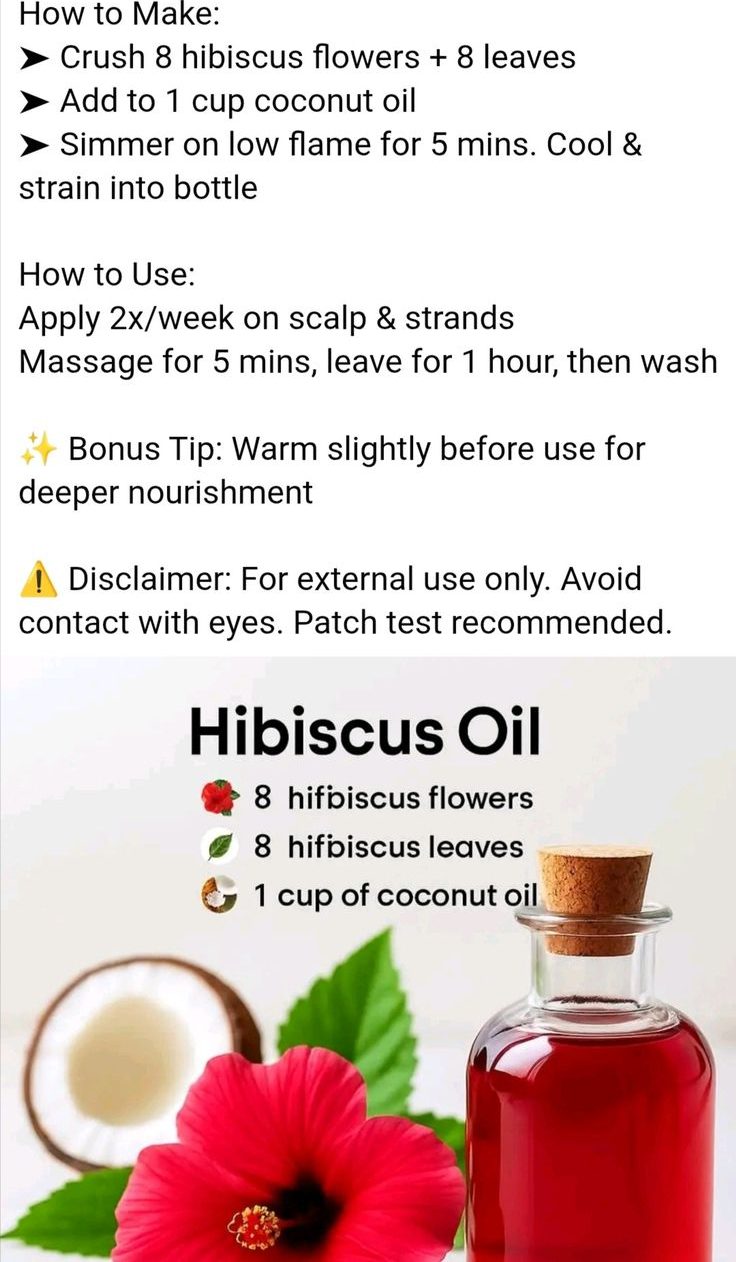
1. Hibiscus Hair Oil
Hibiscus oil is one of the most popular ways to use this flower for hair care.
How to prepare:
- Take a handful of fresh hibiscus flowers and leaves.
- Wash them properly and grind into a paste.
- Heat coconut oil or sesame oil in a pan.
- Add the hibiscus paste and cook on low flame until the oil changes color.
- Cool, strain, and store the oil in a bottle.
How to use: Massage the oil gently into your scalp 2–3 times a week. Leave it on for at least 1 hour or overnight before washing.
Benefits:
- Strengthens roots
- Reduces hair fall
- Promotes hair growth
- Prevents premature greying
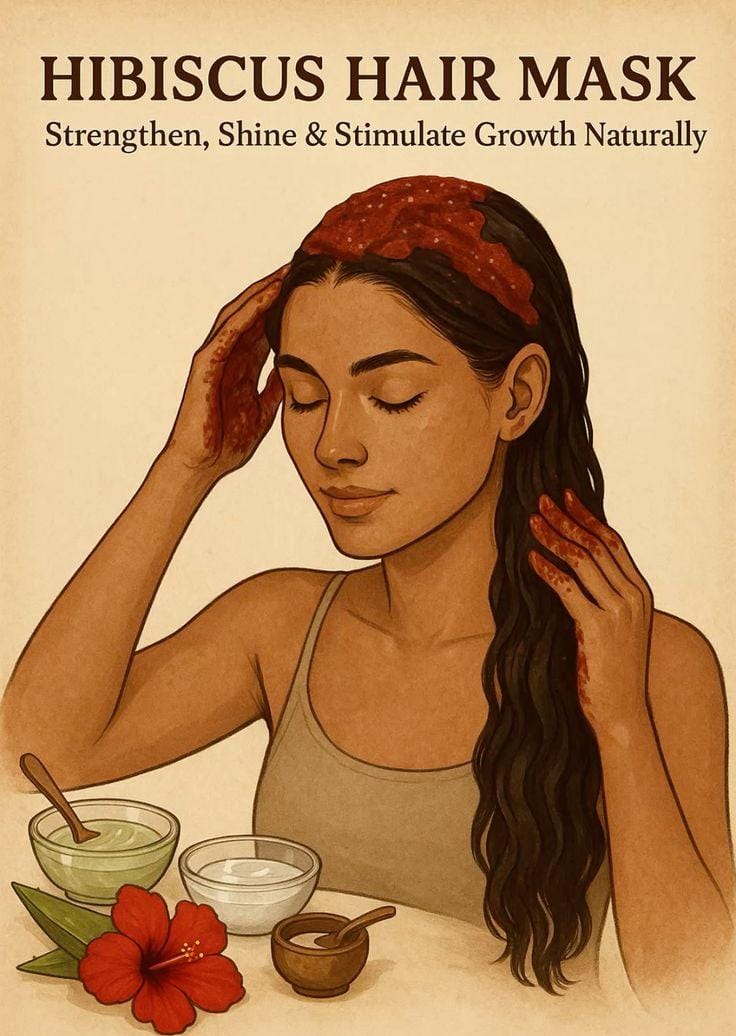
Hibiscus Hair Mask
Hibiscus hair masks deeply nourish the scalp and repair damaged hair.
How to prepare:
- Grind fresh hibiscus flowers and leaves into a smooth paste.
- Add 2–3 tablespoons of curd or aloe vera gel.
- Mix well.
How to use: Apply the mask evenly on scalp and hair. Leave it for 30–40 minutes, then wash with a mild shampoo.
Benefits:
- Deep conditioning
- Reduces dryness and frizz
- Adds shine and softness
3. Hibiscus Powder Hair Pack
If fresh flowers are not available, hibiscus powder is a great alternative.
How to prepare:
- Mix hibiscus powder with warm water or coconut milk.
- Make a thick paste.
How to use: Apply on scalp and hair, leave for 30 minutes, then rinse with water or mild shampoo.
Benefits:
- Improves hair strength
- Controls dandruff
- Enhances hair volume
Hibiscus for Natural Shampoo
Hibiscus leaves contain natural saponins, which help cleanse the scalp gently.
How to use:
- Boil hibiscus flowers and leaves in water.
- Cool and strain the liquid.
- Use it as a natural hair wash.
Benefits:
- Gentle cleansing
- No harsh chemicals
- Maintains natural oils of scalp
Who Can Use Hibiscus for Hair Care
Hibiscus is suitable for almost all hair types:
- Dry hair
- Oily hair
- Curly hair
- Straight hair
- Chemically treated hair
However, people with very sensitive scalp should do a patch test before using hibiscus-based products.
Tips for Best Results
- Use hibiscus consistently for at least 4–6 weeks.
- Combine hibiscus with nourishing oils like coconut or castor oil.
- Avoid excessive heat styling while using herbal treatments.
- Maintain a healthy diet rich in protein, iron, and vitamins.
Are There Any Side Effects?
- Hibiscus is generally safe for hair care. However:
- Always do a patch test before first use.
- Avoid using on broken or infected scalp.
- Wash thoroughly to avoid residue buildup.
Conclusion
Hibiscus flowers are a powerful natural ingredient for achieving healthy, strong, and beautiful hair. From promoting hair growth and reducing hair fall to preventing premature greying and dandruff, hibiscus offers multiple benefits without harmful side effects. Whether used as hair oil, mask, or natural shampoo, hibiscus can easily become a part of your regular hair care routine. If you are looking for a chemical-free and effective solution for hair problems, hibiscus flowers are definitely worth trying.


Good